Giuseppe Caruso: Can Immunotherapy Work Again After Disease Progression in Gynecologic Cancers?
Giuseppe Caruso: Can Immunotherapy Work Again After Disease Progression in Gynecologic Cancers? / cancer, DDR inhibitors, Giuseppe Caruso, Gynecologic
182 health stories in the last 24 hours from 64 newsrooms, including Cureus, Oncodaily, Nature. Most covered: Uganda starts mRNA Ebola vaccine trial in first for Africa. Tone this week: 25% negative, 7% positive (how we measure it).
Giuseppe Caruso: Can Immunotherapy Work Again After Disease Progression in Gynecologic Cancers? / cancer, DDR inhibitors, Giuseppe Caruso, Gynecologic

Patrick Forde: New Research on ctDNA and Neoadjuvant Immunotherapy in Lung Cancer / Adam Dowson, Agata A. Bielska, Alula R. Yohannes, Amelia Insa, Byoung-Yong
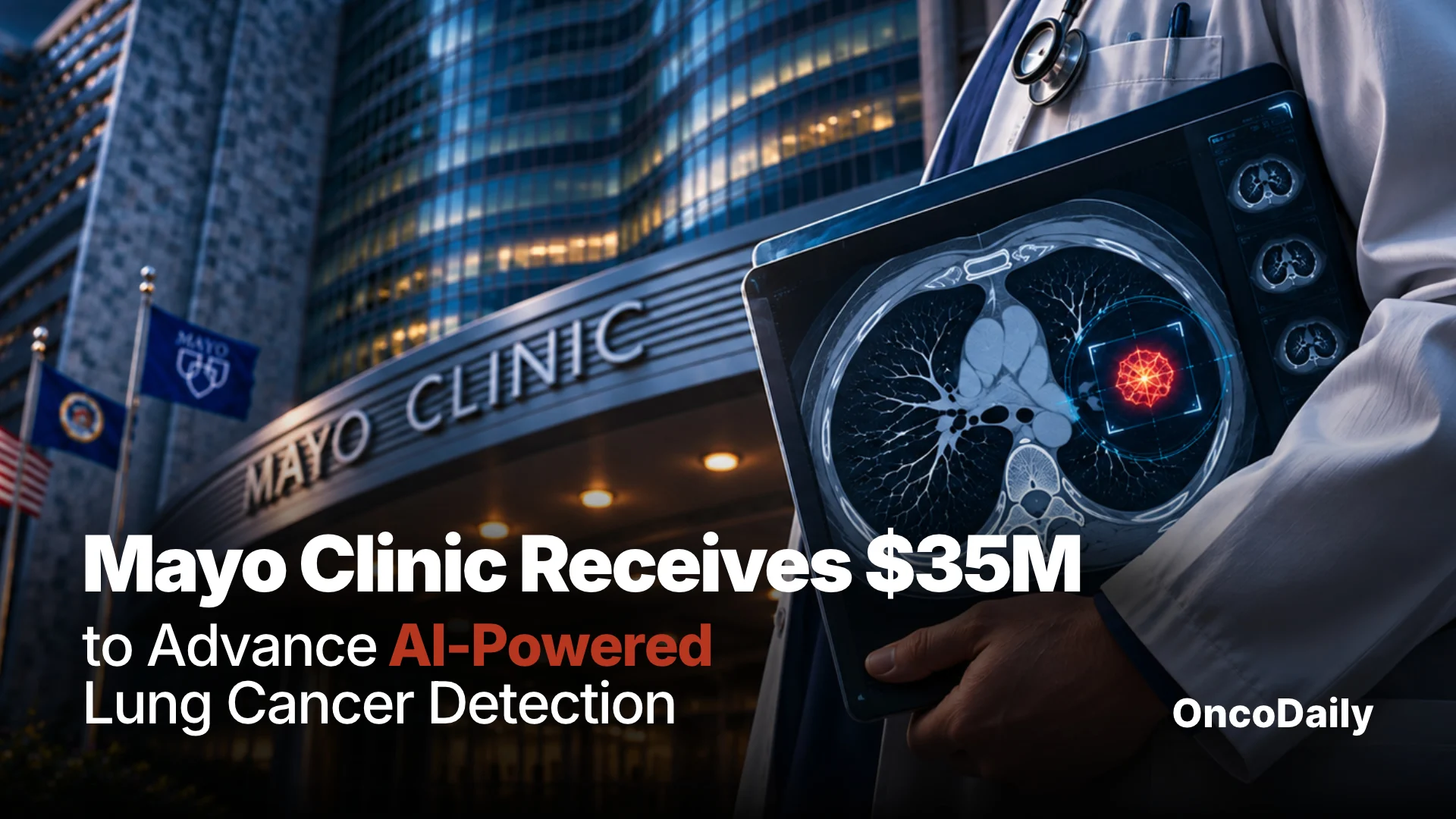
Mayo Clinic Receives $35 Million to Transform Lung Cancer Detection and Treatment With AI / AI in oncology, artificial intelligence, cancer, Cancer

A Brazilian trial found omega-3 and low-dose aspirin worked about as well as antibiotics for severe gum disease, but excluded patients with chronic illnesses, limiting how broadly the results apply.

Achyut Saroj: cfDNA Methylation Advances Early Detection of Liver Cancer / Adam Yopp, Amit G Singal, Binu John, cancer, Cancer Prevention, cancer treatment,
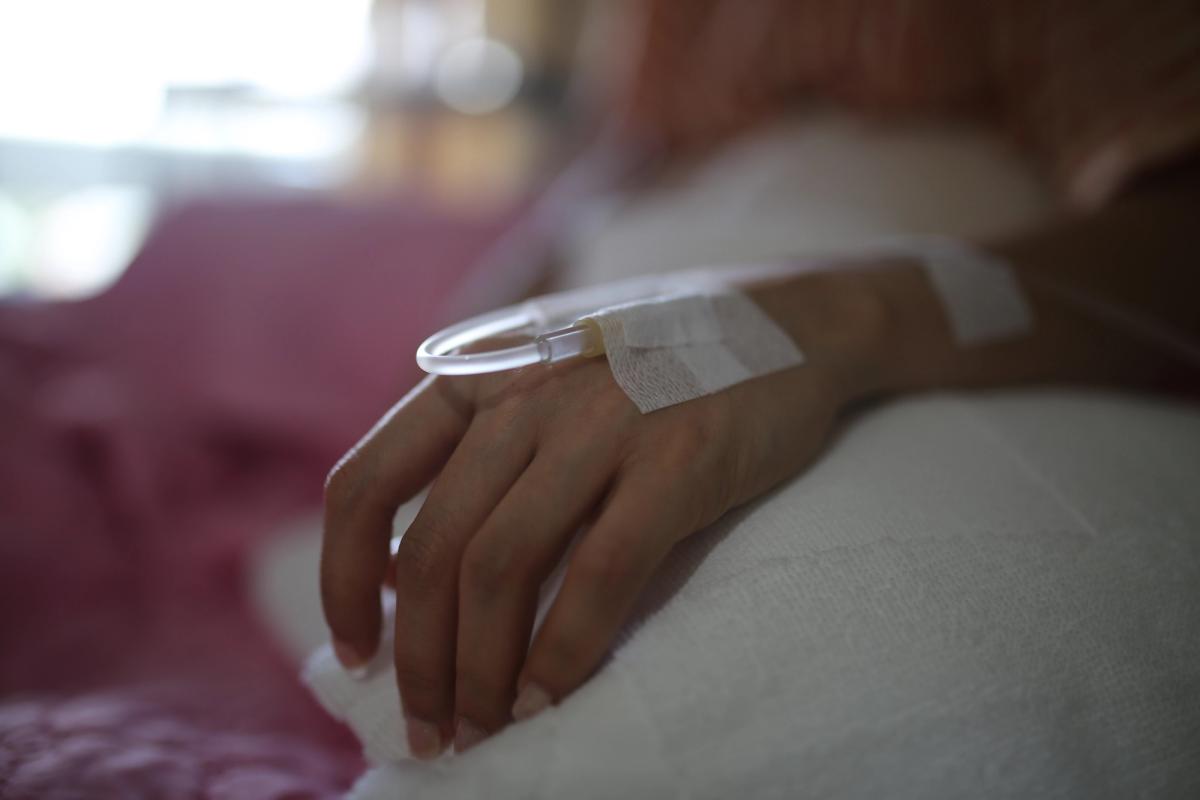
The chemo drug oxaliplatin can make cold drinks, air and objects uncomfortable. Here is what causes cold sensitivity and how to manage it this winter.

People are being urged to wear masks in certain areas of the Royal Surrey County Hospital.
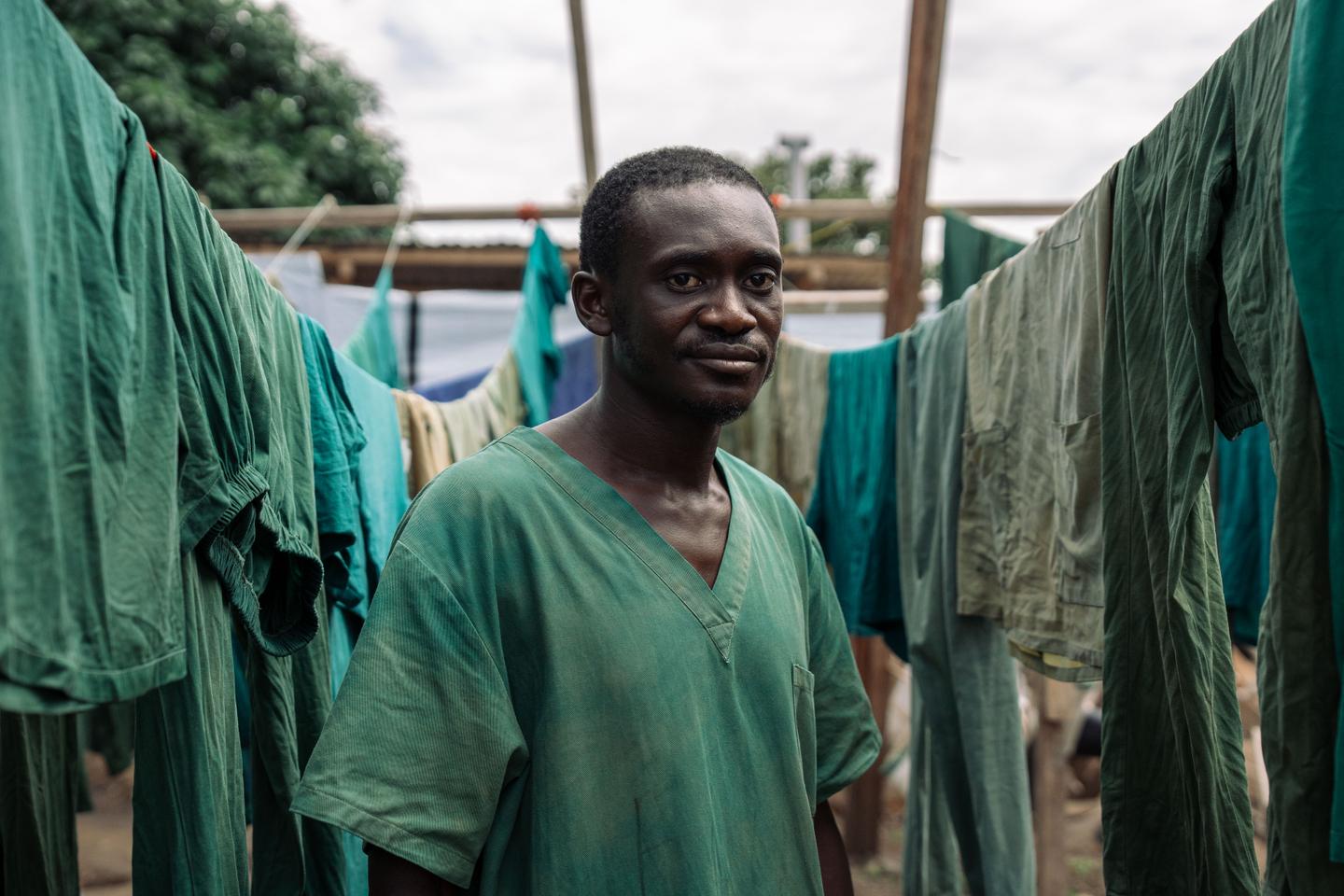
Since the Ebola epidemic was officially declared on May 15, more than 5,400 people have died from it in the Democratic Republic of Congo. Le Monde met with aid workers, nurses and victims whose daily lives have been shaped by this invisible scourge.

The Entebbe study will enrol about 224 volunteers aged one to 65, testing Moderna's experimental Bundibugyo shot in children for the first time.
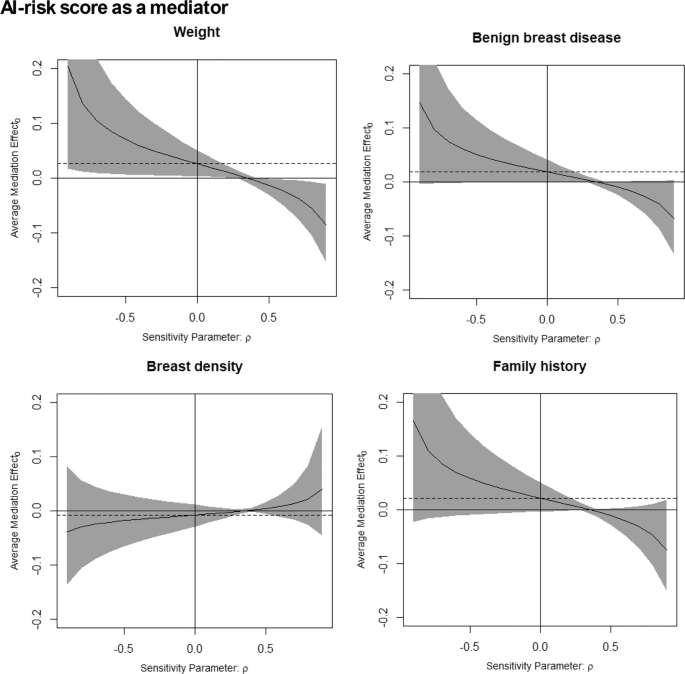
Image-derived AI-based risk models for breast cancer (BC) have been developed to identify high-risk women throughout 10 years of follow-up. However, a key question is the extent to which established BC risk factors influence BC risk through changes in the AI-risk score. In a Swedish case-cohort study including 2959…
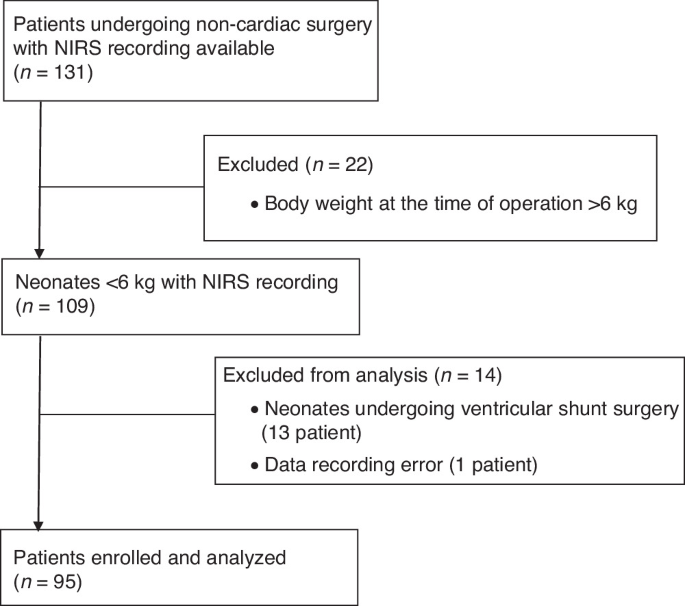
Neonates undergoing surgery are highly susceptible to cerebral hypoxia that may remain undetected by standard monitoring. Although near-infrared spectroscopy (NIRS) enables continuous monitoring of cerebral oxygen saturation (rSO₂), the physiological correlates of severe declines are poorly characterized. We aimed to…

It